How to Find Unlinked Brand Mentions in Ahrefs, Semrush, Google and AI Answers, and Turn Them Into Backlinks
Search your brand in Ahrefs Content Explorer, tick "Highlight unlinked domains", enter your domain, export. Free route: "brand" -site:yourdomain.com in Google plus a Google Alert. Then email the author a three-line thanks-and-ask.
Moz users: Fresh Web Explorer was retired in 2020; there is no Moz unlinked-mention tool today. Link Explorer finds lost links, not mentions.
New in 2026: AI answers name brands without citing them. That is an unlinked mention too, and the section below measures how often it happens.
Across 8,501 AI answers we recorded for 27 sites between 8 July and 17 September 2026, the brand was named in 287. In 96 of those, one in three, the answer named the brand without citing its site.
By engine: Gemini left 60 of 149 mentions unlinked (40%), Claude 22 of 64 (34%), ChatGPT 14 of 74 (19%).
The reverse also happens: 198 answers cited the site without naming the brand in the text, 162 of them on Gemini.
Brand mentions as detected by our checker on the answer text; citations matched on the workspace's own domain. Counted 17 September 2026.
Every time a website names your brand without linking to you, a backlink is sitting there half-earned. These unlinked brand mentions are the easiest links to win because the author already knows you and chose to reference you. What follows is how to find them in each tool, with what each one costs, and how to ask for the link.
What are unlinked brand mentions?
A page references your brand, product, founder or research by name, and does not hyperlink your site. "Tools like Ahrefs, Semrush and MentionAgent can help with link building" with no link is one. A comparison article that names your product without linking it is another. So is an AI answer that recommends you and cites someone else.
Unlinked mentions are one of four ways a link you already earned can fail to reach you; the others are links to pages that now 404, redirect chains, and links that were removed. Two of those need no outreach at all, and link reclamation covers them. For building mentions in the first place, see digital PR examples.
1. Find unlinked mentions in Ahrefs
The fastest paid route, and the one most people searching this page are after. It lives in Content Explorer, not Site Explorer.
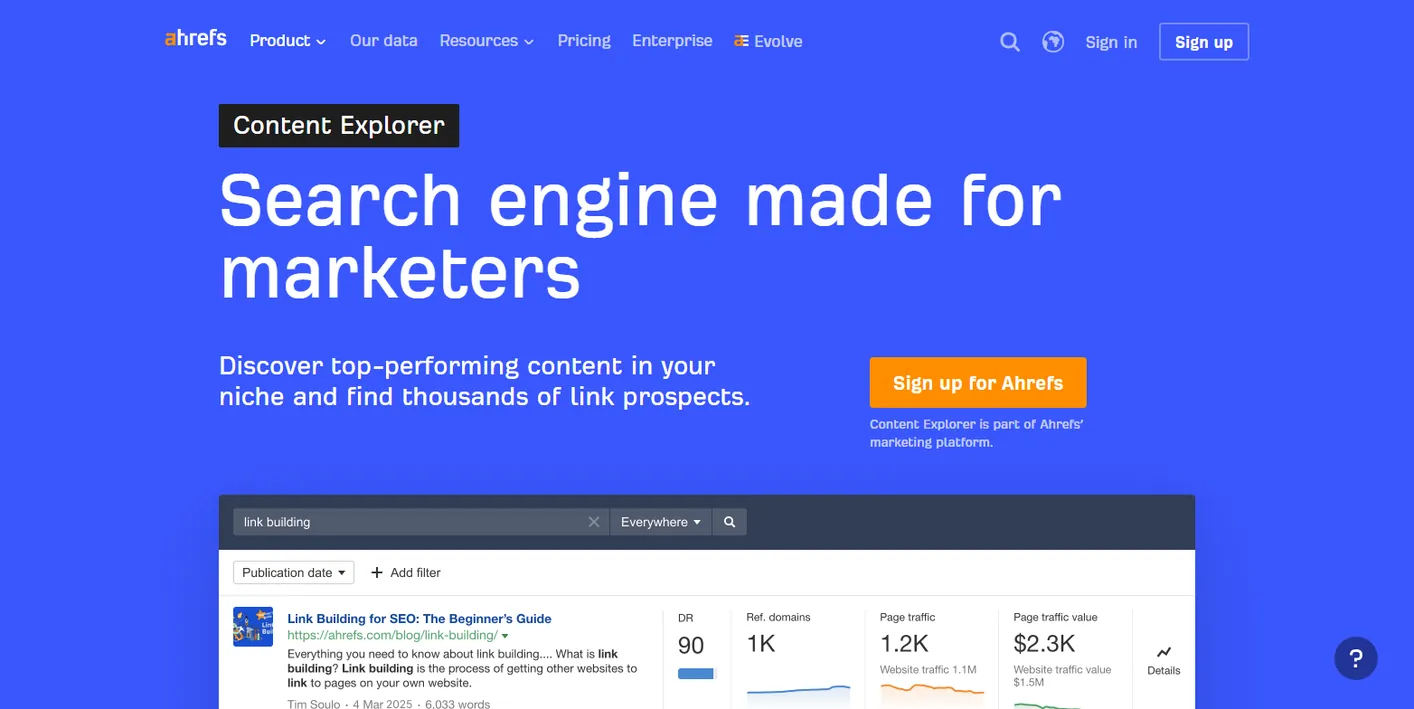
- Open Content Explorer and search your brand name in quotes. Set the mode to "Everywhere" so it matches body text, not only titles.
- Tick Highlight unlinked domains and enter your domain. Every highlighted row is a page that mentions you and does not link to your site.
- Add the filters that matter: Domain Rating 30+, "One page per domain", and a first-published date if you only want recent articles, because authors edit recent posts and ignore old ones.
- Export. The CSV has the URL, the author where Ahrefs found one, DR and traffic, which is your prioritised list.
- Set a Mentions alert for the same query so new ones arrive by email.
Costs: Content Explorer needs a paid plan, Lite $129/mo on the US pricing page (we saw €119 from the EU). Ahrefs Webmaster Tools is free but covers your own backlinks, not mentions of you elsewhere.
2. Find unlinked mentions in Semrush
Semrush does it through the Brand Monitoring app rather than the core toolkit.
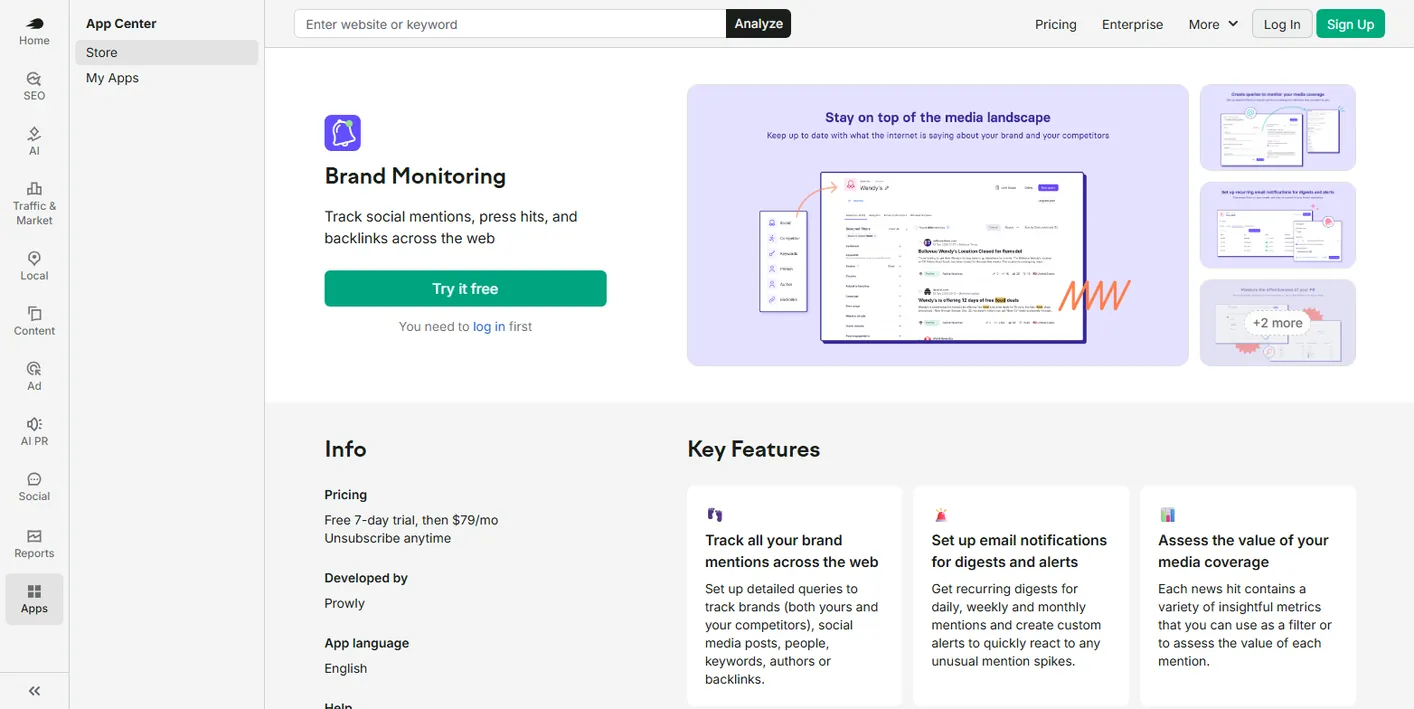
- Create a query for the brand, add product names and common misspellings as variants.
- In the mentions list, use the backlink filter to keep only mentions that do not link to your domain.
- Sort by the site's authority or traffic, export, and set the daily or weekly digest.
Costs: a separate subscription from the SEO plans, free 7-day trial then $79/mo on the App Center page. If you already pay for Semrush this is the only extra; if you do not, Ahrefs and the free routes are cheaper.
3. Google search operators, free
The route that works for any brand size, with nothing to buy:
"your brand name" -site:yourdomain.comVariants that catch more: "brand name" -site:yourdomain.com -site:linkedin.com -site:facebook.com to drop social profiles; intext:"brand name" inurl:blog to bias toward articles; the founder's name and the product name as separate searches. Google shows about ten pages per query at most, so run it per variant and open each result to check for a link. Slow, free, and for a brand with a few hundred mentions it is enough.
4. Google Alerts, free and ongoing
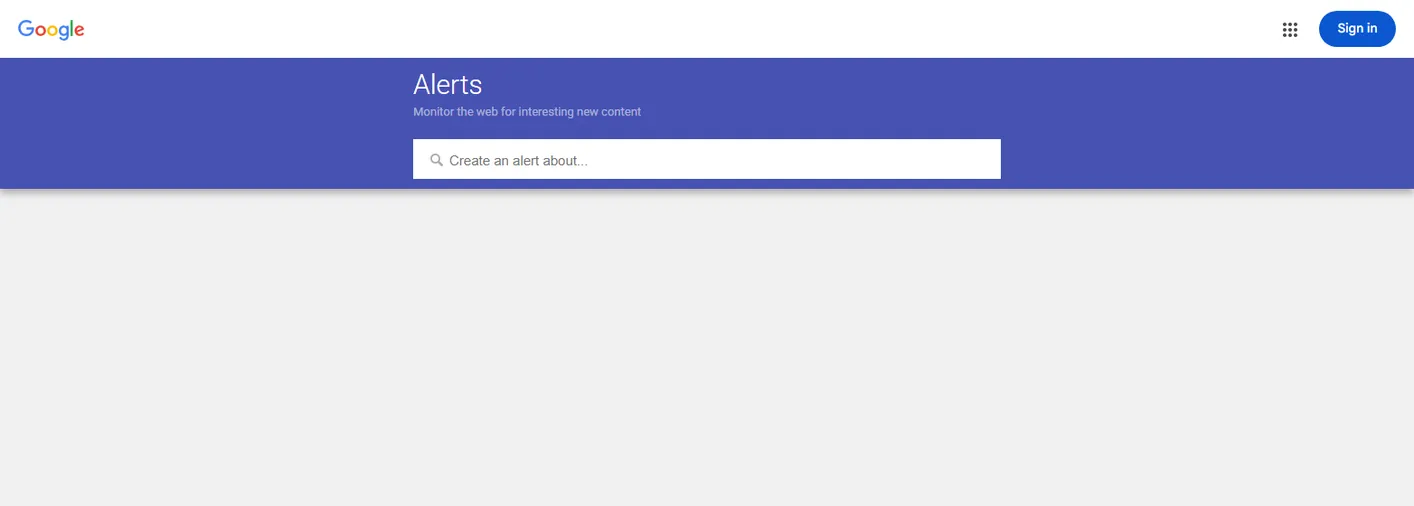
- Go to google.com/alerts and create an alert for your brand name in quotes.
- Set "As-it-happens" or "Once a day", sources to everything, and add separate alerts for product names and the founder.
- When an alert arrives, open the page and check whether it links to you.
Catches new mentions as they publish; finds nothing historical, and misses pages Google indexes late. Pair it with one Content Explorer or operator pass a quarter.
5. Moz: what happened to the unlinked mention tool
If you came here looking for Fresh Web Explorer, Moz's dedicated mention search, it was retired in 2020 and there is no direct replacement. What Moz Pro offers today is Link Explorer, which finds links you have lost or that point at broken pages, and Link Opportunities inside a campaign, which works off the keywords the campaign tracks rather than a free-text brand search.
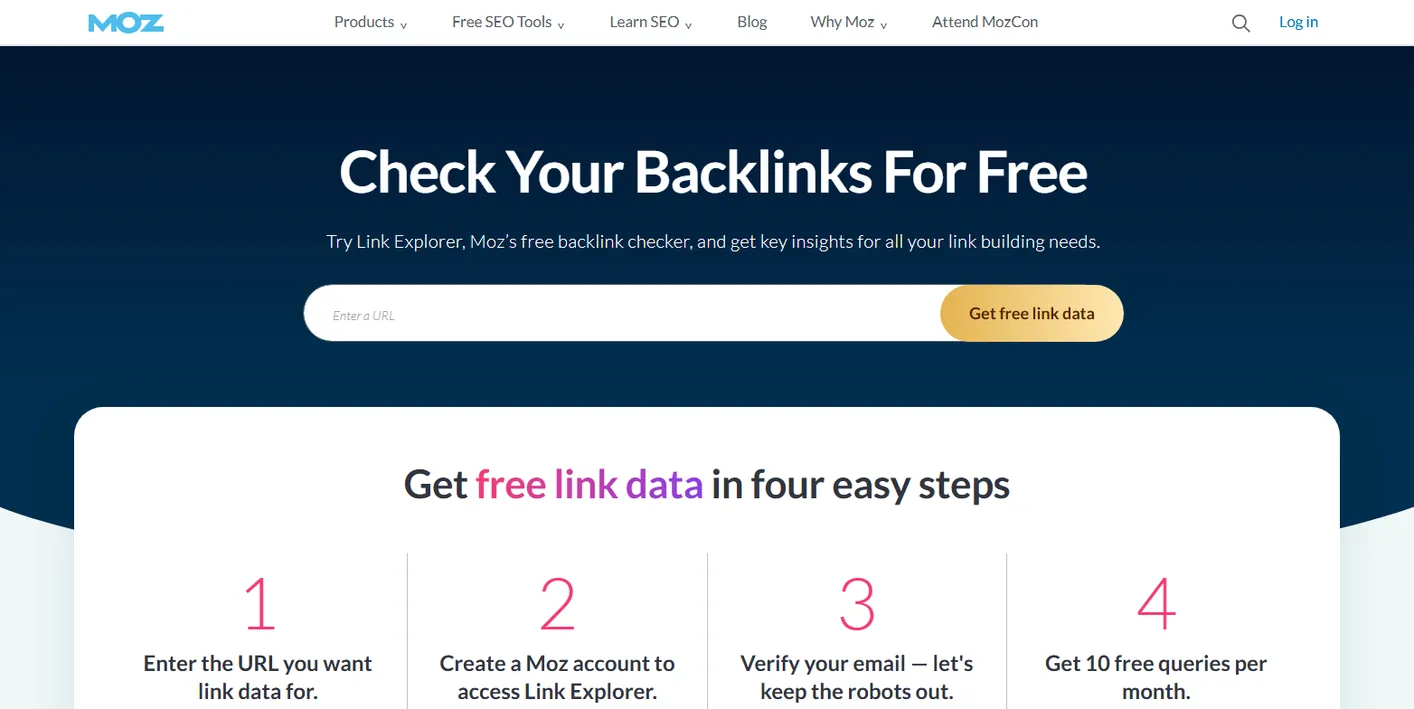
So a Moz-only stack is: Link Explorer for lost links, Google operators and Alerts for mentions. There is no one-click "unlinked mentions" filter of the kind Ahrefs and Semrush have.
6. Brand monitoring tools
Brand24, BuzzSumo and Mention watch the web, news and social in near real time and flag new mentions as they appear. Prices read 17 September 2026: Brand24 from $199/mo billed annually, BuzzSumo from $199/mo. Worth it for a brand that gets mentioned daily; for everyone else the Ahrefs pass plus Alerts covers the same ground.
7. Unlinked mentions in AI answers
When ChatGPT, Gemini or Claude recommends you and cites a different site, that is an unlinked mention with the same fix: the source being cited is a page that can be asked to link. The numbers in the data card above are what that looks like across 27 sites we track. Gemini is the biggest offender at 40% of its brand mentions unlinked, ChatGPT the most careful at 19%.
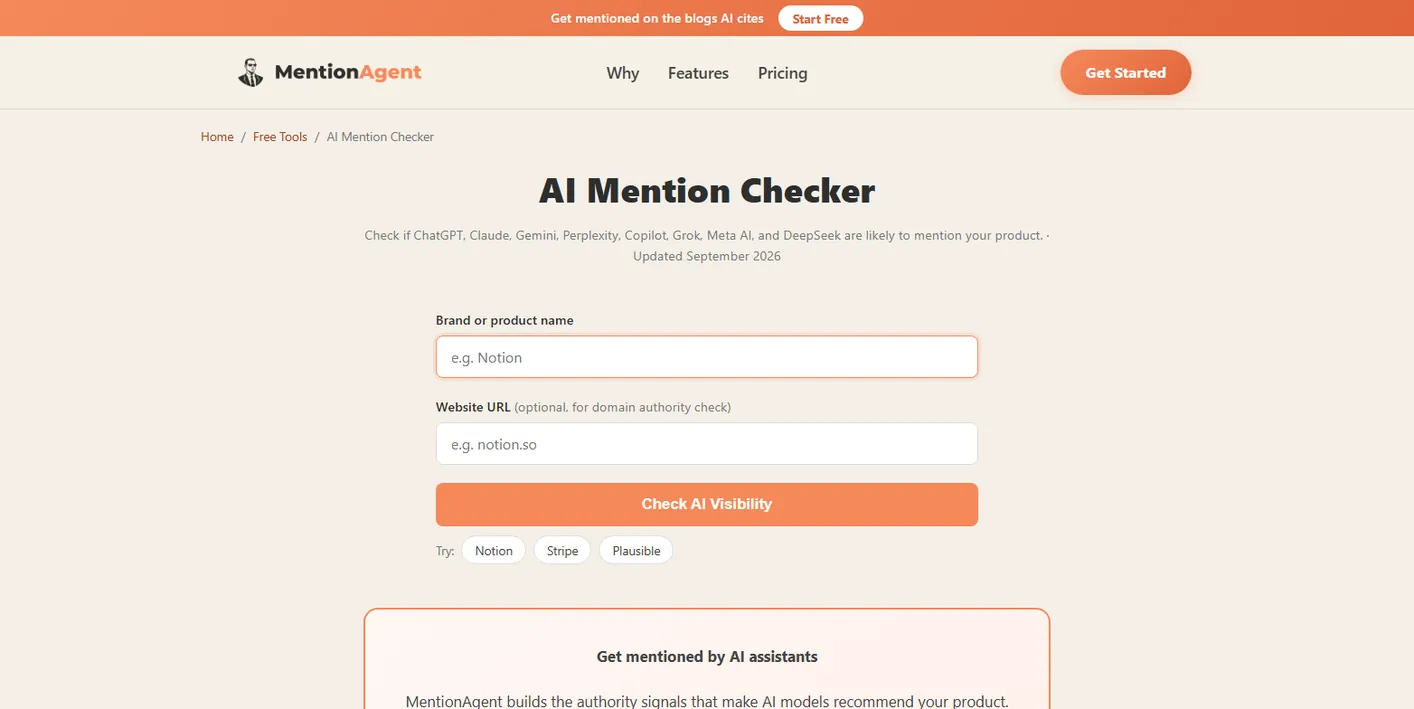
- Run the AI mention checker for the brand and the site, no signup.
- For each answer that names you without citing you, look at what it did cite: those pages are the ones to pitch, since the engine is already treating them as the authority on you.
- Ask the cited page for a link the same way as any other mention. The how to get mentioned by ChatGPT guide covers earning the citation itself.
How to convert unlinked mentions into backlinks
Prioritise. Not every mention is worth an email. Take sites with DR or DA 30+ first, then niche relevance, then recency, because authors edit recent posts and pages with traffic send visitors as well as link equity. If you are unsure how many links you need, this guide sizes it.
Find the author. Not contact@. Use email finding techniques or Hunter.
Send three lines.
Subject: Quick fix for your [article topic] article
Hi [Name],
I noticed you mentioned [Brand Name] in your article on [topic]: [URL]
Thanks for the mention! Would you mind adding a link to [your URL] so readers can easily find us? Happy to share the article with our audience too.
Cheers,
[Your name]
Follow up once after 5 to 7 days with one follow-up. Then move on; pushing harder costs the relationship.
Why do unlinked mention outreach campaigns convert better than cold link outreach?
Exactly. Familiarity is the key. Cold outreach asks someone to mention AND link to you. Unlinked mention outreach only asks them to add a link to a mention they already wrote.
The key advantage is existing familiarity. The author already knows your brand well enough to mention it. Adding a hyperlink is a small ask compared to convincing someone to reference your brand from scratch.
Where unlinked mentions hide
Alerts and Content Explorer find mentions in published articles. These five sources rarely surface that way, and they carry a higher hit rate than a cold pitch because the writer already has a relationship with you.
- Customer case studies and blog posts. When a customer writes about the stack they use, they name you and often forget the link. Search each customer’s domain alongside your product name, and make it a quarterly pass rather than a one-off.
- Integration partner pages. If you have an integration with another product, they almost certainly have a page listing it. Integration directories are frequently plain text with no links out.
- Former employees. People writing about a previous role name the company they worked at. Linking is the exception. A note that opens by saying you enjoyed seeing the old team mentioned is a soft ask.
- Podcast show notes. Guests get named in the notes for their own episode. Notes are often text-only or link the guest but not the company. Check every appearance you or your team has made.
- Conference talk and webinar recaps. Attendees blog and post recaps naming the speakers and tools they saw, usually without links. Recaps appear in the few weeks after an event, so check while the trail is warm.
What these have in common is that the writer knows you personally or commercially. That is the same reason the whole tactic works, concentrated.
Pitch variants by mention type
The template above is the general case. Three situations are worth their own opening, because the reason the person mentioned you differs and the email should say so.
A customer wrote it. Lead with thanks, not the ask.
Subject: Quick thanks for the [Product] mention

Hi [Name],

Saw your post on [topic] and the [Product] mention in it. Appreciate it.

One small thing: could you link it to [URL]? Saves your readers
looking it up. No worries either way.

Thanks again,
[Your name]
An editor covered your category. Be useful, not grateful; they did not write it for you.
Subject: [Product] mention in your [article title] piece

Hi [Name],

Reading your piece on [topic] and noticed [Product] is mentioned
but not linked. The URL is [URL] if you want it.

Thanks for including us either way,
[Your name]
A newsletter mentioned you. Newsletter archives are web pages and get indexed, so the link is worth asking for even though the email itself has gone out.
Subject: Thanks for the [Product] mention in [newsletter]

Hi [Name],

[Product] came up in last week's issue. Thanks for that.

If the web archive of that issue is easy to edit, would you mind
linking it to [URL]? Entirely understand if not.

[Your name]
Mistakes that cost you the link
- Treating every mention as the same channel. A customer’s blog post and a forum comment need different emails, and one of them is usually not worth the send at all.
- Writing a long, formal pitch. You are asking for a two-second edit. Three to five sentences. A long email makes a small ask look like a big one.
- Pushing for dofollow. If the site marks outbound links nofollow, that is a site-wide policy and it is not changing for one request. Take the link.
- Sending from a support or marketing address. The person mentioned a product they know. A named human replying reads as a person; a shared inbox reads as a campaign.
- Buying monitoring you cannot act on. If you are not yet working through the mentions Google Alerts already sends you, a paid tool adds volume, not links.
- Searching only the exact brand name. Misspellings, the old company name, the product name and the founder each find mentions the main query misses.
Why unlinked mention outreach converts better
Cold outreach asks a stranger to mention and link you. Unlinked mention outreach asks someone who already wrote about you for a two-second edit. Broken link building and link insertion sit between the two: you are offering the editor something, but they did not choose you first. The exact rates depend on niche and email quality; the order does not change.
You found 20 unlinked mentions. 5 are on DA 60+ sites, 15 are on DA 10-20 sites. How should you prioritize?
Correct. A link from a DA 60+ site passes significantly more ranking value than a DA 15 site. Focus your best outreach on the highest-value opportunities first.
Quality over quantity. 5 links from DA 60+ sites will move your rankings more than 15 links from DA 10-20 sites. Always prioritize by authority and relevance.
Keep it running
- Google Alerts for new mentions as they publish, free.
- A quarterly Content Explorer or operator pass for what the alerts missed.
- Variants: brand, product names, founder, misspellings, each as its own alert and query.
- The AI checker monthly, because the engines change which sources they cite.
Get mentioned automatically
Instead of chasing unlinked mentions, let MentionAgent earn new editorial mentions for you, ones that include dofollow backlinks from the start. No monitoring, no outreach, no follow-ups.
Start Getting Mentioned On AutopilotFrequently asked questions
What is an unlinked brand mention?
When a website references your brand by name without including a hyperlink. These are easy link building opportunities because the author is already familiar with your brand.
How do I find unlinked brand mentions?
Google search ("brand" -site:yourdomain.com), Google Alerts, Ahrefs Content Explorer (with unlinked filter), or brand monitoring tools like Brand24.
What conversion rate should I expect?
Higher than cold outreach, because the author already knows your brand. The exact rate depends on your niche and email quality, but the existing familiarity makes it a much easier ask.
Should I offer something in return?
Offering to share the article with your audience is usually enough. You can also offer to update any outdated information they have about your brand. Don’t offer money, that makes the link paid/sponsored.